What Is Skin Grafting?
Skin grafting is a surgery that moves healthy skin from one area of the body to another. Doctors use it to cover burns and difficult wounds that cannot heal on their own. Often, skin grafting helps protect the body from infection and speeds up healing. For many patients, this treatment offers hope when other methods do not work. According to the World Health Organization, skin grafting is a common way to treat deep burns and large wounds.
When Is Skin Grafting Needed?
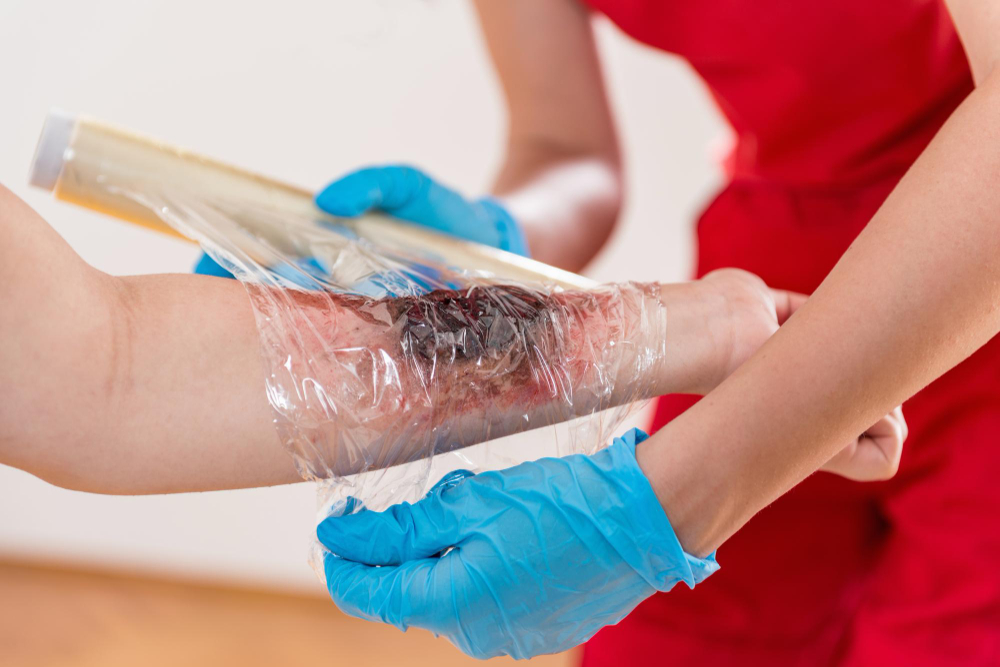
Sometimes, wounds are too large or deep to heal without help. In these cases, skin grafting may be needed. For example, doctors may suggest skin grafting for burns that remove many skin layers. Additionally, wounds from accidents, surgery, or infections might also need this treatment. If a wound does not close after several weeks, skin grafting can help. In some cases, doctors use skin grafts to repair skin lost from cancer surgery or ulcers.
Types of Skin Grafts
There are a few main types of skin grafts. Each type has its own use and benefits. Understanding the options helps patients know what to expect. For treating difficult wounds with skin grafts, doctors choose the best type for each case.
How Skin Grafting Works
First, doctors clean the wound and remove dead tissue. Next, they take healthy skin from another part of the body, called the donor site. Then, they place this skin over the wound and secure it. In many cases, doctors use stitches or special glue to hold the graft in place. After surgery, the new skin must connect to the blood supply to survive. Because of this, doctors monitor the area closely for signs of healing. Recovery from skin graft surgery usually takes a few weeks.
Benefits of Skin Grafting for Burns and Difficult Wounds
Skin grafting offers many benefits for people with burns or hard-to-heal wounds. For instance, it can speed up healing and lower the risk of infection. In addition, skin grafting helps reduce pain and scarring. Many patients find that skin grafting improves how their skin looks and feels. Also, covering wounds with healthy skin can help people move better and return to daily life sooner.
Risks and Possible Complications
While skin grafting is often safe, there are some risks. Sometimes, the graft may not take, which means it does not connect with the new area. Infections can also happen, especially if the wound is large. Bleeding, swelling, or pain at the donor or graft site are possible. In rare cases, the new skin may not match the surrounding area. However, most people recover well with proper care. Doctors watch for problems and treat them quickly if they arise.
Recovery and Aftercare Tips
After skin graft surgery, good care is important for healing. Patients should follow their doctor’s advice closely. For example, keep the graft clean and dry. Do not scratch or rub the area. Because movement can harm the graft, rest is important. Doctors may suggest gentle exercises to keep joints flexible. In addition, eating healthy foods and drinking water can help the body heal. If any redness, swelling, or pain gets worse, call your doctor right away. Skin graft surgery recovery may take several weeks, but most people return to normal activities soon.
Prevention of Severe Skin Injuries
Preventing burns and wounds is always better than treating them. Simple steps can lower the risk of severe skin injuries. For example, use oven mitts when cooking and keep hot items out of children’s reach. Always wear protective gear at work or during sports. In addition, check water temperature before bathing. Because some wounds happen at home, keep sharp objects stored safely. Teaching children about safety can also help prevent accidents.