
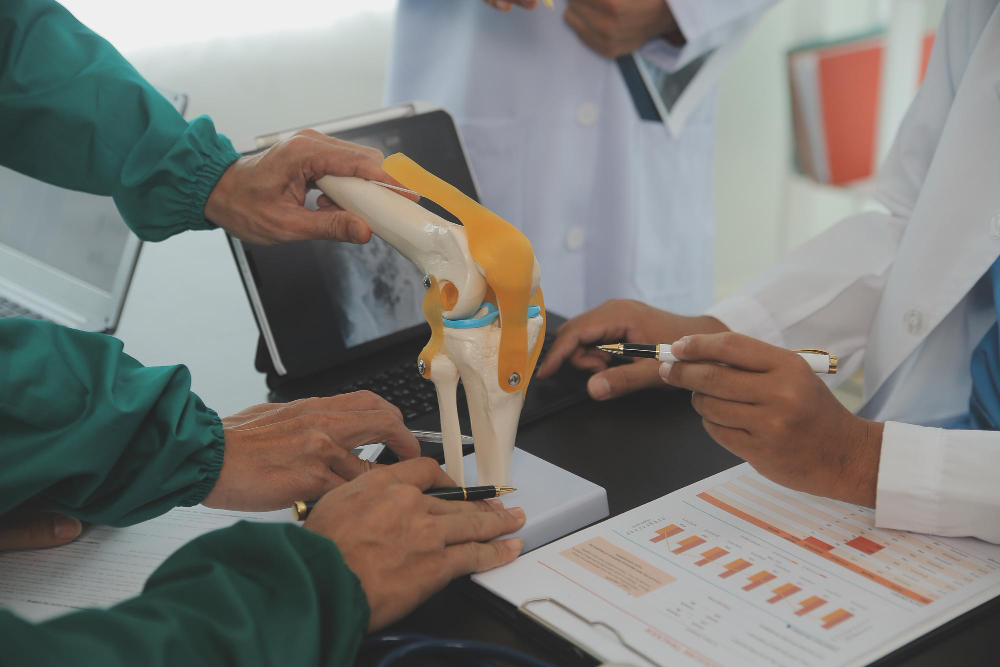
Severe injuries can change lives in a moment. For many people, reconstruction after severe injuries is a path to healing. In orthopedic surgery, reconstruction means rebuilding bones, joints, or soft tissues. This process helps restore both form and function. Because of this, many patients regain movement and confidence after trauma. Orthopedic reconstruction uses advanced techniques to help people recover and return to daily life.
What Is Reconstruction in Orthopedic Surgery?
Reconstruction in orthopedic surgery focuses on fixing damage from injuries. Surgeons use special methods to repair or replace bones, muscles, ligaments, or tendons. Sometimes, they use metal plates, screws, or artificial joints. In other cases, they may use tissue from another part of the body. As a result, patients can move better and feel less pain. Orthopedic reconstruction aims to restore both appearance and function after trauma.
Common Causes of Severe Injuries Requiring Reconstruction
Many types of accidents can cause injuries that need reconstruction. For example, car crashes often lead to broken bones or joint damage. Sports injuries may also result in torn ligaments or fractures. In addition, falls and workplace accidents can cause severe trauma. Sometimes, infections or tumors damage bones or tissues, making reconstruction necessary. According to the CDC, trauma is a leading cause of disability worldwide.
Symptoms and Functional Challenges After Severe Injuries
After a severe injury, people often face many challenges. For instance, pain and swelling are common. Many patients notice weakness or trouble moving a limb. Sometimes, the injured area looks different or feels unstable. Because of these issues, daily tasks can become hard. Restoring function after trauma is a key goal of treatment for severe injury recovery.
Diagnosis and Assessment for Reconstruction
Doctors use several steps to decide if reconstruction is needed. First, they ask about the injury and symptoms. Next, they examine the affected area. Often, they use X-rays, CT scans, or MRI scans to see inside the body. These tests help doctors plan the best treatment. In many cities, orthopedic reconstruction specialists work with other experts to create a care plan. Early assessment can improve recovery and reduce long-term problems.
Modern Reconstruction Techniques and Treatments
Today, many advanced techniques help patients heal after severe injuries. For example, surgeons may use 3D-printed implants to replace missing bone. Sometimes, they use special screws or plates to hold bones together. In addition, tissue grafts can repair muscles, tendons, or skin. New methods, like minimally invasive surgery, often mean less pain and faster healing. According to the World Health Organization, these advances improve both safety and results.
Orthopedic reconstruction specialists in many regions offer these modern treatments. Because of this, more patients can return to active lives after injury.
Recovery Process and Rehabilitation
After reconstruction surgery, recovery takes time and effort. At first, rest and gentle movement are important. Physical therapy helps patients regain strength and flexibility. Over time, most people see steady progress. However, some may need extra support or special equipment. With guidance from doctors and therapists, many patients return to work, sports, or hobbies. The recovery process is different for each person, but support makes a big difference.
Prevention and Lifestyle Tips for Reducing Injury Risk
While accidents can happen to anyone, some steps can lower the risk of severe injuries. For instance, wearing seatbelts and helmets helps prevent trauma. In sports, using proper gear and learning safe techniques is key. At home, keeping floors clear and using handrails can reduce falls. Because prevention is so important, these habits can help avoid the need for orthopedic reconstruction.
Conclusion:
Severe injuries can affect both appearance and everyday function. Reconstruction procedures focus on repairing damaged areas, restoring movement, and helping patients regain confidence through specialised surgical care and rehabilitation support.
Have you or your loved one experienced a severe injury requiring reconstruction?
Consult Sri Sai Krupa Hospital for expert evaluation and comprehensive reconstructive care.