
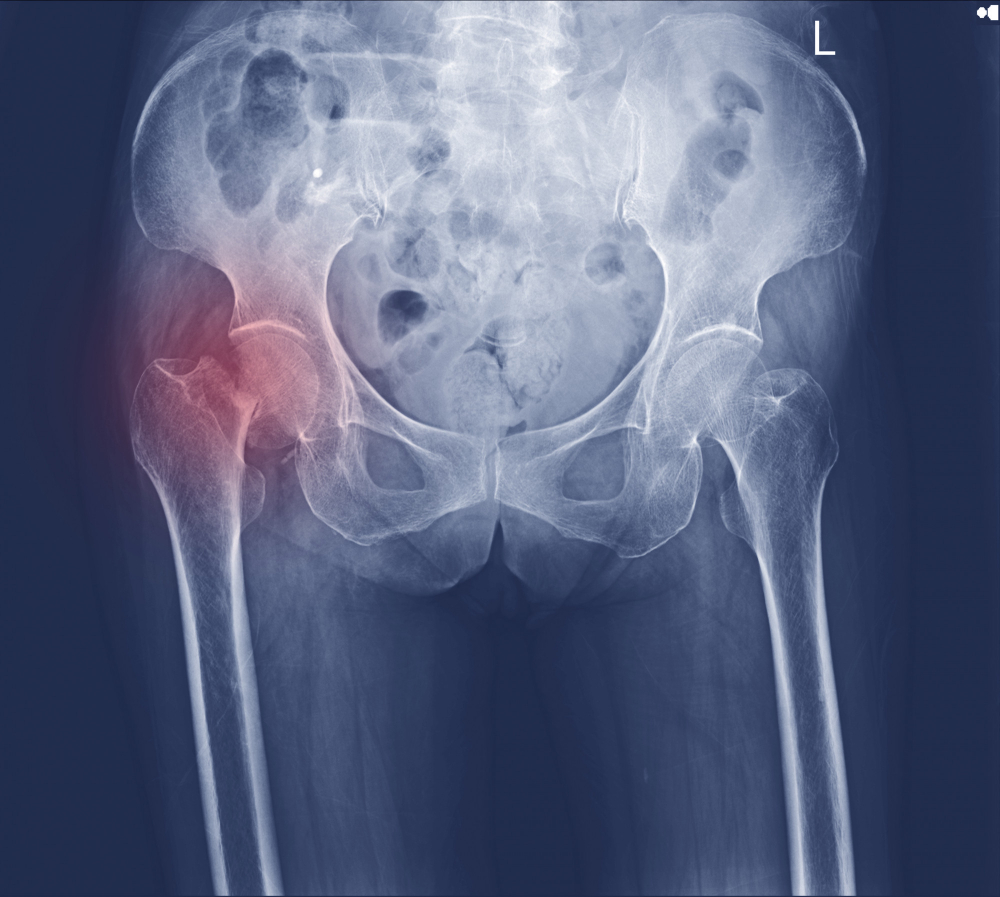
What Is a Hip Fracture?
A hip fracture means a break in the upper part of the thigh bone near the hip joint. This injury is common in older adults, especially after a fall. Because hip fractures can cause serious problems, quick treatment is important. In many cities, hospitals see more hip fractures during winter due to slippery sidewalks. According to the CDC, hip fractures often lead to hospital stays and surgery. For this reason, knowing about hip fracture symptoms and treatment can help you act fast if needed.
Common Symptoms of Hip Fracture
Usually, a hip fracture causes pain in the hip or groin area. However, some people may feel pain in the upper thigh or even the knee. Right after a fall, you might notice:
Sometimes, people cannot walk at all after a hip fracture. If you notice these hip fracture symptoms, seek medical help right away. Early care can make recovery after hip fracture easier.
Causes and Risk Factors
Most hip fractures happen after a fall, especially in older adults. However, some people can break their hip from minor bumps if their bones are weak. The main causes include:
Several risk factors increase the chance of a hip fracture. For example, age, weak bones, and certain medicines can make falls more likely. In addition, poor vision or balance problems raise the risk. Women are more likely to have hip fractures than men. Also, living in areas with icy sidewalks, like Chicago or Boston, can increase risk during winter months.
How Hip Fractures Are Diagnosed
Doctors use several steps to diagnose a hip fracture. First, they ask about your fall and symptoms. Next, they check your hip and leg for pain or changes in shape. Usually, an X-ray shows the break clearly. Sometimes, doctors need a CT scan or MRI if the X-ray is not clear. These tests help find small or hidden fractures. Quick diagnosis is important, as it helps start hip fracture treatment sooner.
Treatment Options for Hip Fracture
Treatment for hip fracture depends on your age, health, and the type of break. In most cases, surgery is needed. There are different types of surgery, such as:
After surgery, physical therapy helps you move safely again. Sometimes, people need to stay in a rehab center for extra help. In rare cases, if surgery is not possible, doctors may use pain medicine and help with movement. Early hip fracture treatment can lower the risk of problems and help you return to daily life.
Recovery and Lifestyle Tips
Recovery after hip fracture takes time and patience. However, many people can walk again with the right care. Here are some tips to help with recovery:
Because recovery after hip fracture can be slow, staying positive and active is important. In addition, keeping your home safe can help prevent another fall.
Preventing Hip Fractures
There are many ways to lower your risk of hip fractures. For example, you can:
Because falls cause most hip fractures, simple changes can make a big difference. If you live in a city with icy winters, take extra care outside. For more tips on how to prevent hip fractures, talk to your healthcare provider.
Get personalised care and support. Book your appointment today.