
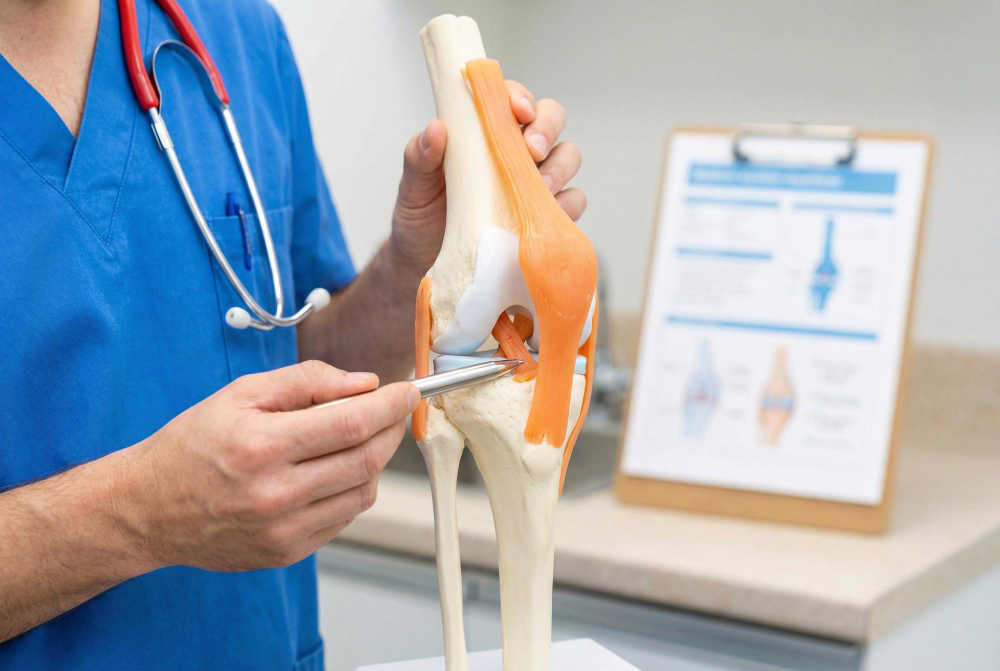
Introduction to Knee Replacement Surgery
Knee replacement surgery is a common procedure that helps people with severe knee pain. It involves removing damaged parts of the knee and replacing them with artificial parts. Many people choose this surgery when pain and stiffness make daily activities hard. For example, walking, climbing stairs, or even getting out of a chair can become difficult. If you are considering knee replacement surgery, it is important to know what to expect and how it can help.
Symptoms and Conditions Leading to Knee Replacement
Often, knee replacement surgery is needed when knee pain does not improve with other treatments. Common symptoms and conditions include:
Usually, these symptoms are caused by conditions like osteoarthritis, rheumatoid arthritis, or injury.
Causes and Risk Factors
Several factors can lead to knee problems that may require surgery. For instance, aging is a common cause. Over time, the cartilage in the knee wears down. Other causes include:
However, not everyone with these risk factors will need surgery. Your doctor will help decide if it is right for you.
Diagnosis and When Surgery Is Recommended
Doctors use several steps to decide if knee replacement surgery is needed. First, they ask about your symptoms and medical history. Next, they examine your knee and may order X-rays or MRI scans. These tests show how much damage is present. If pain and stiffness do not improve with medicine, physical therapy, or other treatments, surgery may be recommended. Sometimes, your doctor may suggest surgery if your quality of life is affected.
Types of Knee Replacement Procedures
There are different types of knee replacement surgery. The main types include:
Your doctor will choose the best type based on your needs.
Step-by-Step: The Surgical Process
Understanding the surgery can help you feel more prepared. Here is what usually happens:
Most surgeries take about one to two hours.
Benefits and Expected Outcomes
Knee replacement surgery offers many benefits. For example, most people notice less pain and better movement. Other benefits include:
However, results can vary. It is important to follow your doctor’s advice for the best outcome.
Recovery Process and Timeline
Recovery after knee replacement surgery takes time. Usually, you stay in the hospital for one to three days. After that, you start gentle exercises to help your knee heal. Most people can walk with help within a few days. However, full recovery can take three to six months. During this time, you may need physical therapy. Your doctor will guide you through each step.
Tips for Rehabilitation and Lifestyle Adjustments
Rehabilitation is key to a good recovery. Here are some helpful tips:
With time and effort, you can regain strength and movement.
Prevention and Maintaining Knee Health After Surgery
After knee replacement surgery, it is important to protect your new joint. For instance, you can:
These steps can help your knee last longer and keep you active.
Frequently Asked Questions (FAQ) About Knee Replacement Surgery
Conclusion
Knee replacement surgery can greatly improve your quality of life. With the right care, most people enjoy less pain and better movement. If you have questions or think you may need knee replacement surgery, consult an orthopedic specialist Dr. Sri Sai Krupa Hospital for personalized advice.